With returns stuck in a downward spiral, those approaching retirement face a difficult investment decision
Pension savers near retirement are being urged to consider putting the brakes on committing their fund to an annuity purchase to avoid paying over the odds for little income.
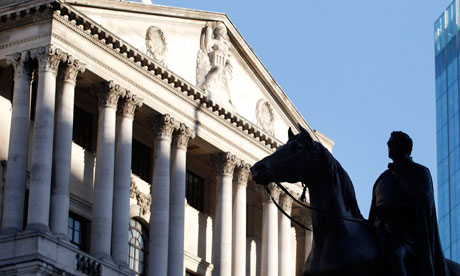
The rates on annuities, used to convert pension savings into a regular income at retirement, have plunged over the past four years. While there was a slight uptick this year, on the back of rising government gilt yields, which determine annuity rates, more recently hopes of a sustained increase appear to have been dashed by the Bank of England's statement that interest rates will stay low.
Ros Altmann, pensions expert and former government policy adviser, believes prospective retirees should hold off buying an annuity if possible. "Particularly if they are only in their 60s, as they are currently very poor value," she says. "This is a very important transaction that people should think carefully about, as annuities are inflexible, so once you've bought, you're stuck."
Some providers, including Canada Life, Aviva and Standard Life, have increased rates over the past month, and the MGM Advantage Annuity Index revealed last week that average annuity rates increased by 2.4% in the first quarter of the year, and are up by 5.6% since December 2012. But despite this, according to JLT Annuity Bureau, a man with a £50,000 pension fund could now buy an income of only about £3,033 a year. It doesn't sound like much, and it is below what he could have achieved 10 years ago, when the same lump sum would have bought a payout of £3,500 a year.
Longer life expectancy, regulatory pressures, and the impact of quantitative easing have set annuity rates on a downward spiral in recent years.
Investment experts are not predicting that annuity rates will ever return to previous highs, but they say that some of the factors driving them down are expected to disappear, meaning they could swing upwards again.
Tom McPhail, at independent financial adviser Hargreaves Lansdown, says: "From an economic perspective, there is a clear argument that rates should rise at some point, and others will follow suit, but the problem is that we don't know when or by how much. Interest rates have been kept artificially low through monetary policy, which has held down gilt yields. But as the economy recovers and quantitative easing unwinds you'd expect capital to move back towards riskier assets and away from gilts, causing the price of gilts to fall and yields to rise."
Patrick Connolly, from IFA Chase de Vere, agrees. "The annuity market still remains under pressure, with gilt yields artificially low because of low interest rates and the huge amounts of QE undertaken by the government," he says. "For those who are shifting into cash as they approach retirement, it could be wise to hold off an annuity purchase for a couple of years in the hope that rates will rise."
However, there are risks in delaying an annuity purchase. "If your pension fund remains invested you face potential losses if the stock market takes a tumble, while those in cash face inflation eroding their fund – and, of course, there are no guarantees annuity rates will rise significantly any time soon," says Connolly.
He adds that you should also remember that by delaying taking an annuity you will miss out on income you would have received, which could be somewhere between 4% and 5.5% each year depending on your circumstances.
David Smith, wealth management director at IFA Bestinvest, says: "Investment growth would need to be very high and annuity rates would need to rise significantly to offset the year of lost income."
If you are retiring today and need to buy an annuity for income, an option is to split your fund and only use some of it to buy an annuity now. "This is probably the best way to avoid getting the decision on whether to buy now or delay completely wrong," says McPhail.




No comments:
Post a Comment